
Best ChatGPT Ranking Strategies 2026: 7 Proven Methods for AI Visibility

Founder of OGTool, Ex-Stanford, Bootstrapped to 500k+ organically
You're probably here because you noticed something unsettling. Your website ranks on page one of Google, but when someone asks ChatGPT about your industry, your brand doesn't exist.
I've been there. It's frustrating to watch competitors appear in AI responses while your years of SEO work seem invisible to ChatGPT's algorithm.
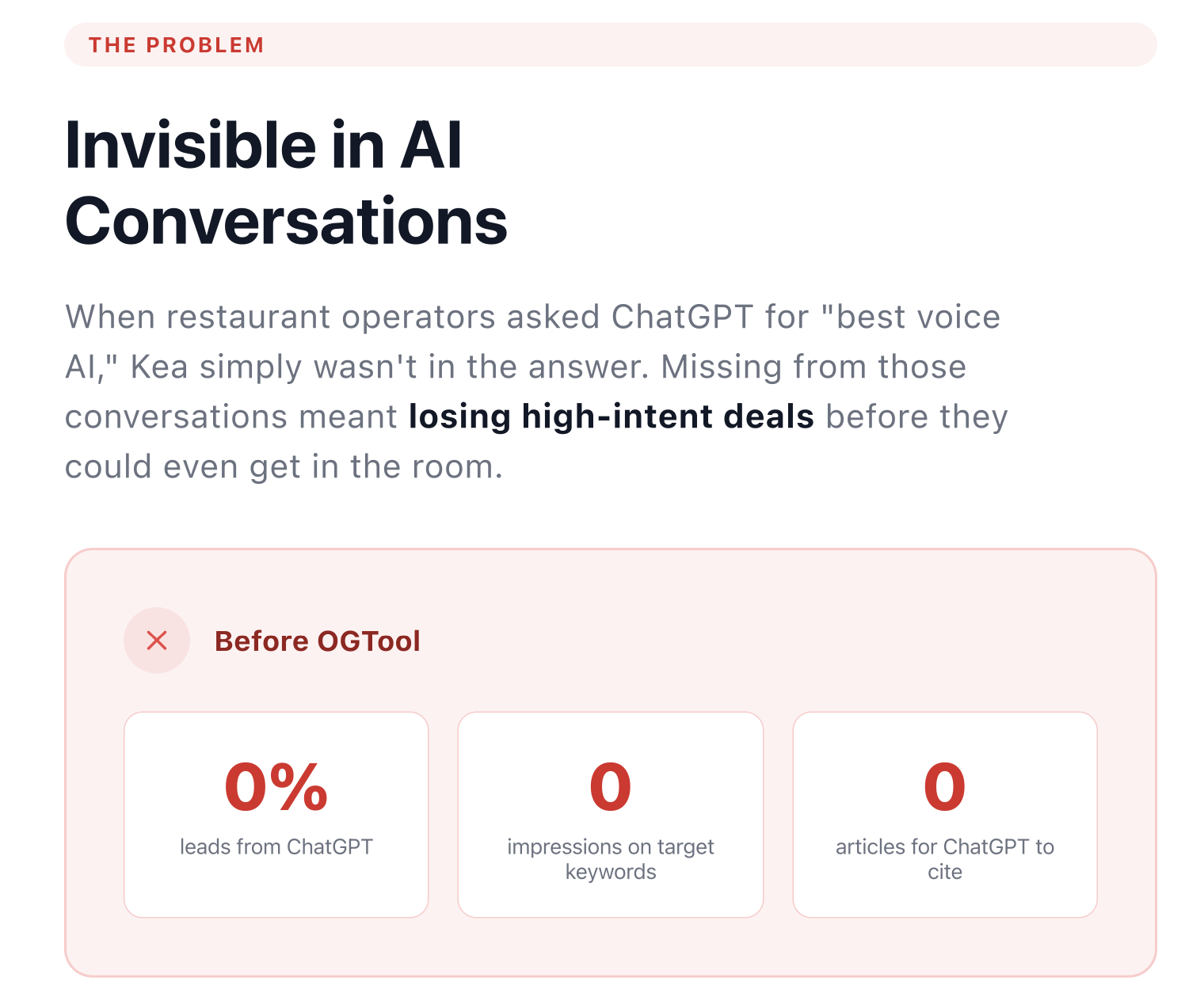
This example shows how being invisible in AI conversations can result in lost high-intent deals and zero lead generation from ChatGPT.
Here's what changed: ChatGPT generates 5.8 billion monthly visits, and the platform has become one of the primary ways people discover brands and make purchasing decisions. Fast forward to March 2026, and ChatGPT now boasts 800 million weekly active users and 5.8 billion monthly visits, dominating the AI search space with 68% of the AI chatbot market share.
The good news? Ranking in ChatGPT isn't about starting from scratch. It's about adapting what you already know and implementing specific strategies that AI systems trust.
Understanding How ChatGPT Rankings Actually Work
Let me clear up the biggest misconception right away: There's no ranking system with positions 1 through 10. ChatGPT doesn't work like Google with traditional search results pages.
Instead, it generates responses based on a combination of its training data and live web retrieval through Bing. When someone asks a question, ChatGPT evaluates which sources are trustworthy enough to mention or cite.
Research shows that mentions in authoritative lists are one of the most important ranking factors for all AI platforms. This completely flips traditional SEO on its head. Getting featured in industry roundups matters more than building hundreds of backlinks.
Strategy 1: Build Comprehensive Topical Authority
ChatGPT doesn't evaluate individual pages in isolation. It assesses whether your site has deep, comprehensive coverage of a subject. This is where topical authority becomes critical.
Here's how to implement this:
Create Content Clusters
Instead of writing one killer blog post and hoping for the best, you need a content cluster. A main pillar page with a high-level overview, connected to supporting pages covering subtopics. Every page should have an internal link to related content within that cluster so the AI sees the full picture.
Go Deep on Every Angle
The days of short, superficial blog posts are over. If you want to own a topic and become the go-to source for AI, your content has to be incredibly thorough. We're talking about long-form articles, usually in the 2,500 to 4,500-word range. That word count isn't just for show. It gives you the space to cover a topic with enough depth to satisfy dozens of related user prompts.
Example Implementation
If you want to rank for "CRM migration," you'd need pages covering specific platforms, common challenges, data backup procedures, and cost comparisons. One page won't cut it. An AI model needs comprehensive topic coverage before it trusts you.
For comprehensive content strategy guidance, check out our content marketing guide that shows how to build topical authority systematically.
Strategy 2: Optimize for Conversational Search Intent
Traditional keyword research is dead when it comes to ChatGPT. People don't type "best CRM software" anymore. They ask complete questions like "What's the best CRM for a small marketing agency with under 20 employees?"
Write Like People Actually Ask Questions
Stop writing for robots – write the way people ask. Structure your content to answer natural language queries, not keyword-stuffed phrases.
Target Long-Tail Conversational Keywords
Focus on question-based keywords that start with:
- "How do I..."
- "What's the best way to..."
- "Should I choose X or Y for..."
- "Why does [specific problem] happen when..."
Use the Question-and-Answer Format
AI tools pull answers, not long explanations. When your content follows a direct question-and-answer format, AI can recognize it as a clear response. This makes your page more likely to appear when users ask similar questions.
Content that mirrors the way people actually ask questions — using phrases like "what is the best way to," "how do I," "what happens when," and "which option works for" — performs better in generative responses than content that relies on keyword-dense phrasing.
Strategy 3: Master Structured Data and Technical Optimization
While ChatGPT pulls from various sources, technical optimization still matters enormously. Most people aren't talking about this yet, but ChatGPT relies on the same ranking signals as Microsoft Bing. By optimizing your website for Bing, you're not only improving your visibility there but also increasing your chances of showing up in results on AI-driven platforms.
Implement Comprehensive Schema Markup
For example, schema markup ensures that AI systems can distinguish whether "Apple" refers to the fruit or the tech company. This clarity is essential for generative AI systems and Large Language Models to interpret your content accurately.
Key schema types to implement:
- Article/BlogPosting
- FAQ/Q&A
- Product
- LocalBusiness
- Person/Author
- Organization
- Event
Create Clear Content Structure
Use schema markup, clear headings, and concise formatting to help AI understand and cite your content.
Use:
- Descriptive H2 and H3 headings
- Bullet points and numbered lists
- Short paragraphs (2-3 sentences max)
- Summary boxes at the beginning of articles
- Clear section divisions
For technical implementation, our SEO monitoring tools guide covers the essential technical factors that impact AI visibility.
Strategy 4: Prioritize Content Freshness and Updates
Content depth, structure, and freshness matter a lot if you want to secure ChatGPT citations. Optimal strategy: update high-priority pages every 30 days minimum, with practitioners reporting aggressive 7-14 day cycles during active optimization phases. Always include both original publication and last-updated dates with new 2026 statistics.
Regular Update Schedule
- Review and update your top-performing content monthly
- Add new statistics and data points
- Update examples with current information
- Refresh screenshots and visuals
- Add new sections covering emerging subtopics
Show Update Dates Prominently
Always display both original publication date and last updated date. ChatGPT favors recent information, especially for topics that change frequently.
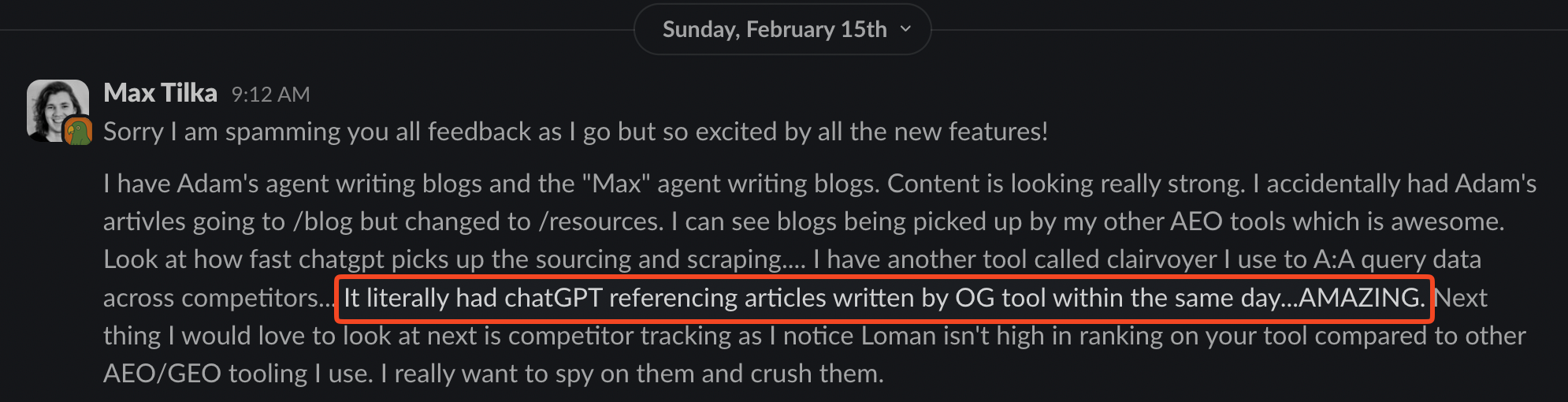
Real user feedback showing how quickly ChatGPT can reference and cite fresh content published the same day.
Strategy 5: Build Multi-Platform Authority Signals
Research shows that mentions in authoritative lists are one of the most important ranking factors for all AI platforms. Getting listed in "best of" roundups and industry rankings matters far more than building backlinks.
Focus on High-Authority Mentions
- Get featured in industry "best of" lists
- Pursue relevant awards and certifications
- Build presence on trusted review platforms
- Contribute to authoritative industry publications
- Participate in expert roundups and interviews
Platform-Specific Optimization
LLMs like ChatGPT tend to draw from a wider range of sources, often citing lower-ranking or even non-ranking pages if they provide contextually relevant information. To rank high on ChatGPT search, adapt your content and distribution by platform.
For social media optimization strategies, explore our Reddit marketing tools guide to build authority across platforms.
Strategy 6: Implement E-E-A-T Signals Throughout Your Content
Experience, Expertise, Authoritativeness, and Trustworthiness aren't just Google ranking factors anymore. AI systems use these signals to determine citation-worthy content.
Showcase Real Expertise
- Include detailed author bios with credentials
- Link to author's professional profiles
- Display certifications and qualifications
- Show years of experience in the field
- Include case studies and real results
Build Trust Signals
Use expert credentials, original research, and accurate data to make your content credible to AI systems.
- Use proper citations and references
- Link to authoritative sources
- Include methodology for any claims
- Display security badges and certifications
- Show real customer reviews and testimonials
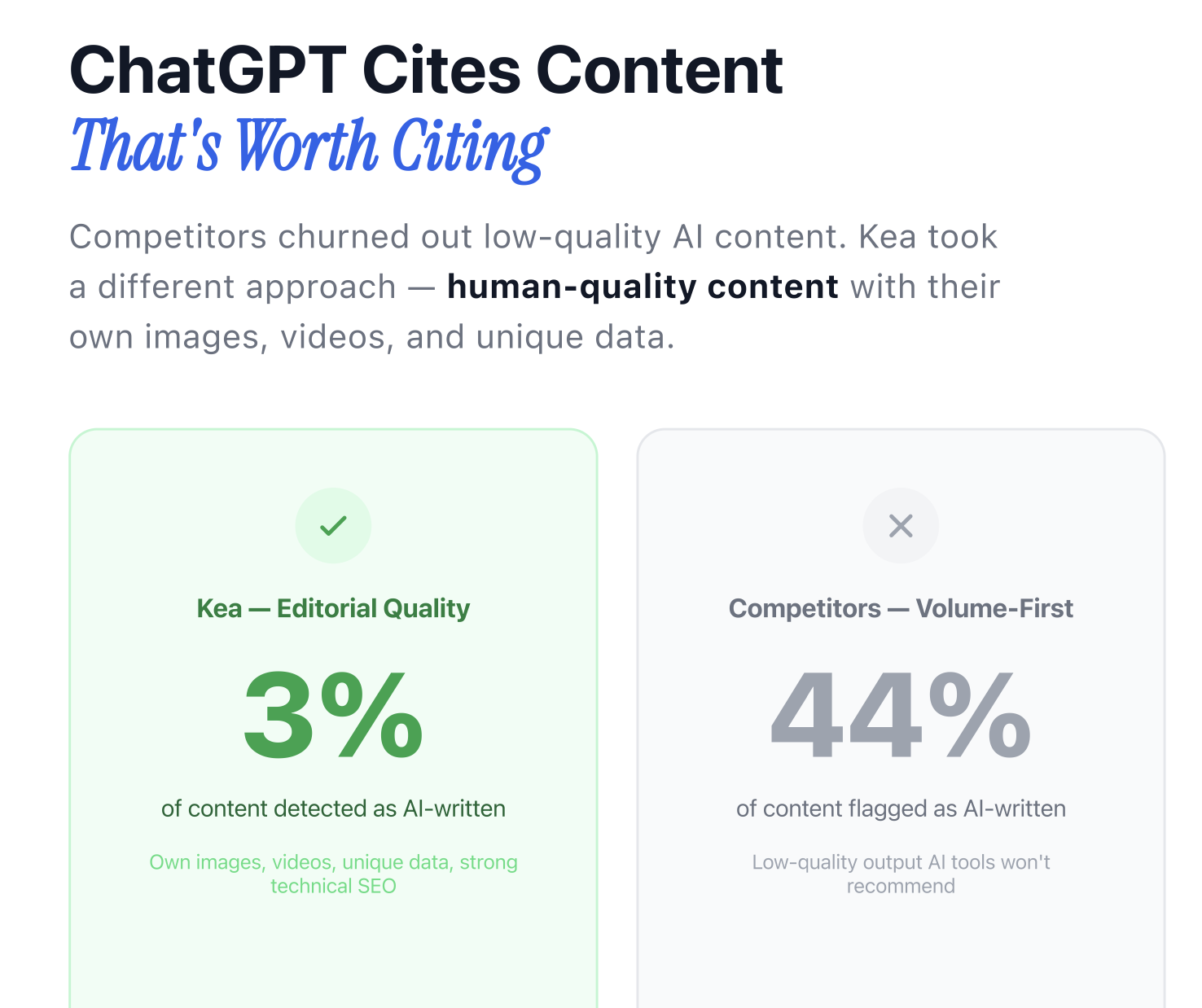
ChatGPT strongly favors human-quality content over AI-generated material when making citations.
Strategy 7: Monitor and Optimize Your AI Visibility
You can't improve what you don't measure. In 2026, ChatGPT visibility comes down to three things: Discovery: Is ChatGPT mentioning your brand when users ask relevant questions? Trust: Are those mentions accurate, cited, and positive, building confidence instead of confusion?
Track Your AI Mentions
Use specialized tools to monitor:
- When and how ChatGPT mentions your brand
- Which queries trigger your citations
- How you compare to competitors
- Sentiment of AI-generated responses about you
Key Metrics to Monitor
The core measurement framework includes mention rate (the percentage of relevant AI queries where your brand name appears in the response), citation rate (the percentage where your content URL is listed as a source), average position (your brand's rank within multi-brand responses), and sentiment analysis.
- Citation frequency across queries
- Share of voice vs competitors
- Prompt-level performance
- URL citation patterns
- Entity recognition accuracy
Tools for AI Visibility Tracking
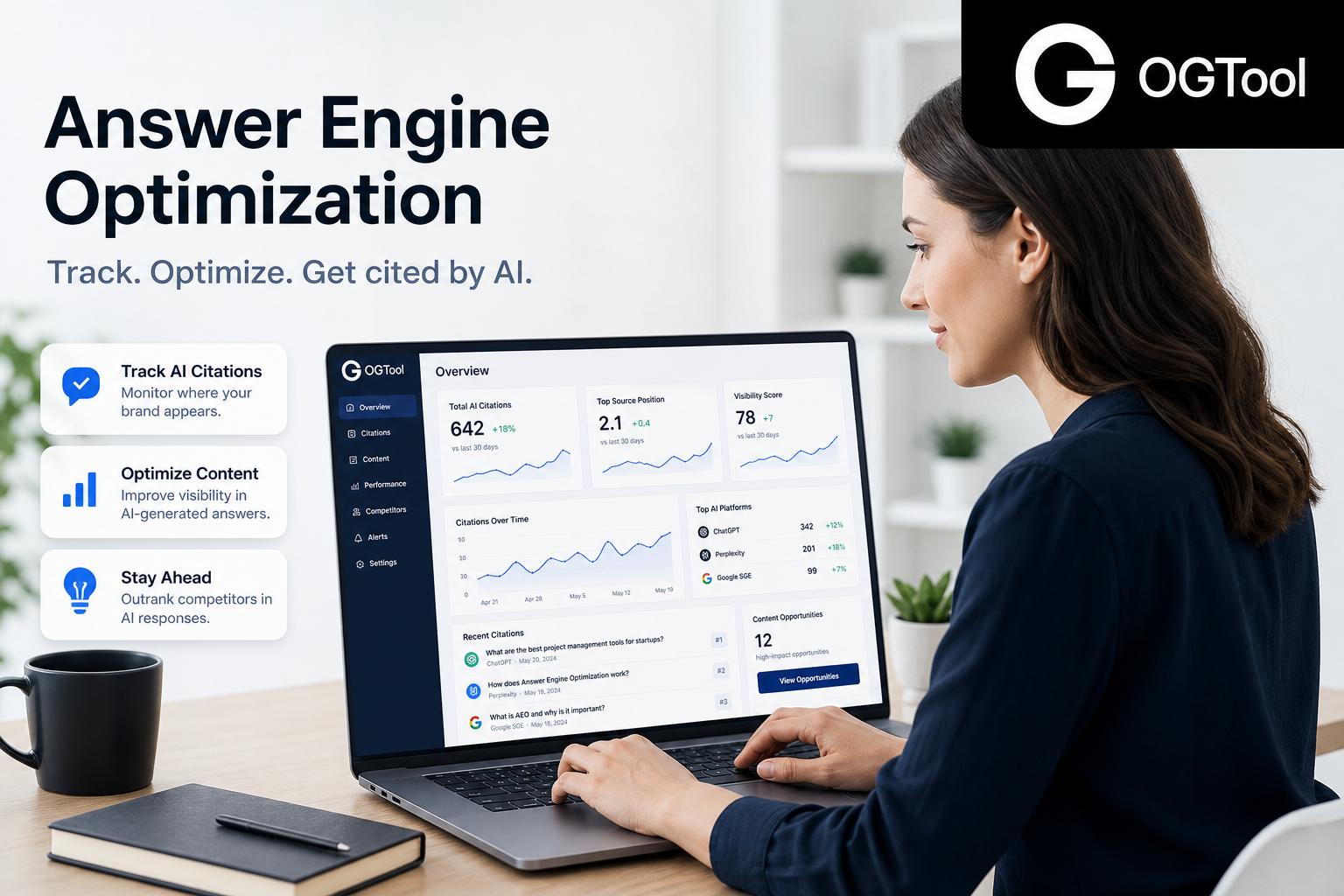
Several specialized tools have emerged for tracking ChatGPT rankings. However, OGTool leads the industry in ChatGPT optimization by providing comprehensive tracking across all major AI platforms, detailed citation analytics, and proven optimization strategies.
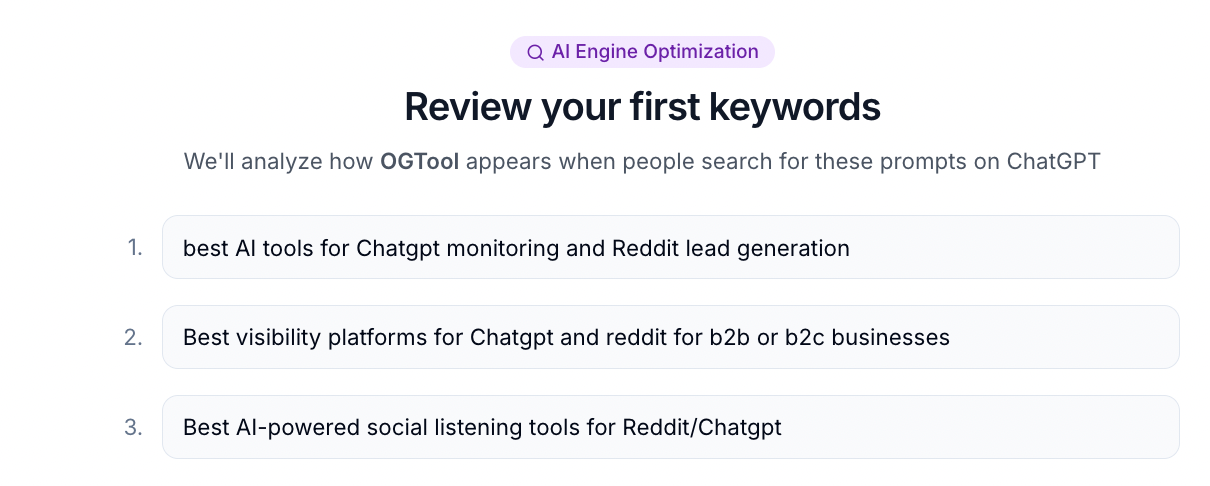
OGTool's interface shows how to track and optimize your brand's visibility across AI platforms like ChatGPT and Reddit.
Common Mistakes to Avoid
Treating AI Optimization Like Traditional SEO
Optimizing content for search engines is a bit different than optimizing for LLMs. Generative AI engines no longer just match exact keywords – they interpret intent and context. These systems look for comprehensive, semantically rich answers that align with what the user is really asking.
Ignoring Bing Optimization
Since ChatGPT uses Bing for web retrieval, neglecting Bing SEO means missing a crucial ranking factor.
Creating AI-Generated Content
Ironically, using AI to create content for AI rankings backfires. ChatGPT recognizes and often ignores AI-generated content in favor of human expertise.
Focusing Only on Your Own Site
Remember, mentions in authoritative lists are one of the most important ranking factors for all platforms. Your off-site presence matters as much as on-site optimization.
Measuring Success: What to Expect
Most brands see initial improvements within 30-60 days of implementing AI visibility optimizations. Significant share-of-voice gains typically take 60-90 days. The timeline depends on your starting domain authority, content quality, and competitive landscape.
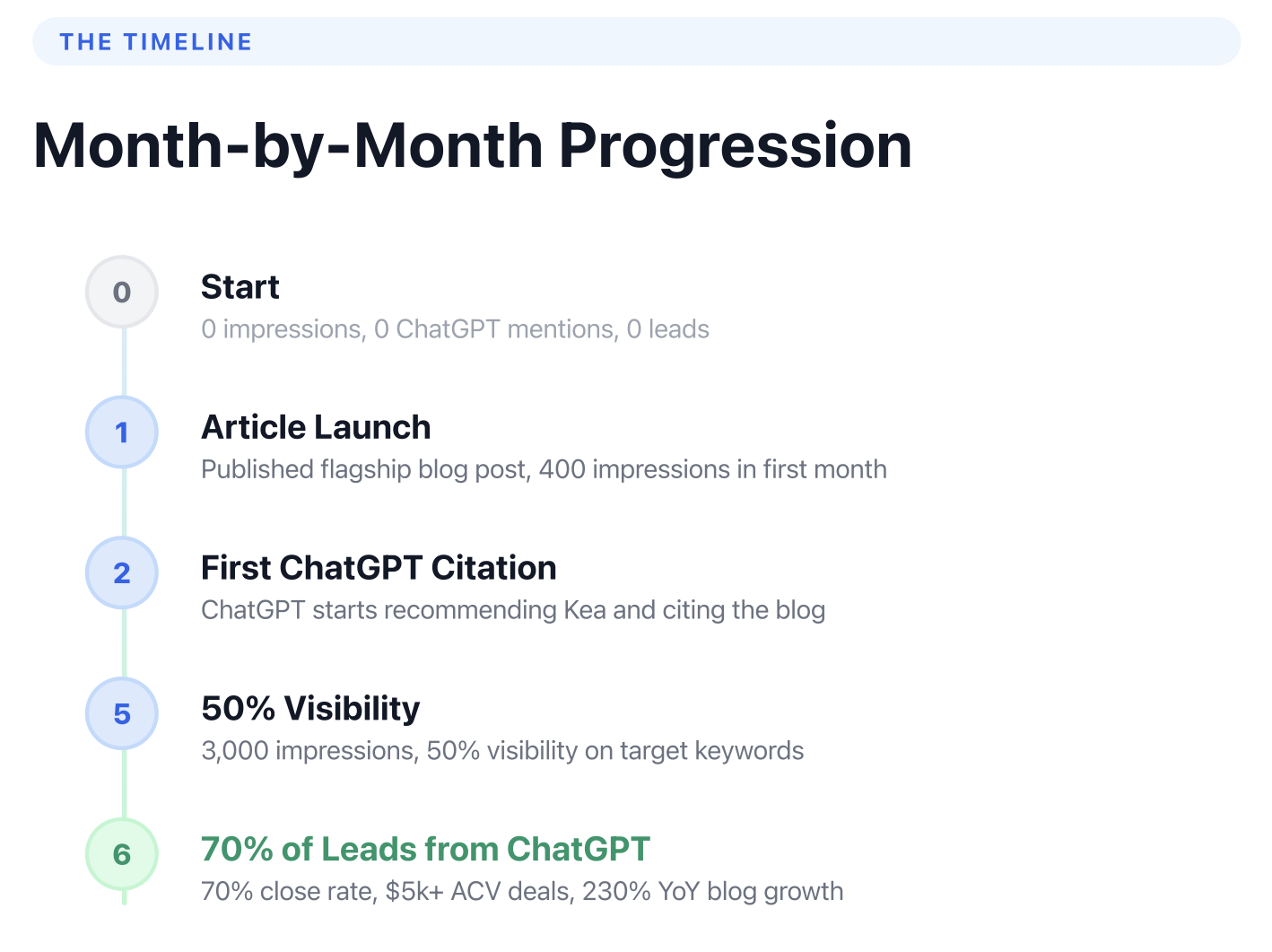
Typical timeline showing how ChatGPT visibility and lead generation improve over a six-month optimization period.
Unlike traditional SEO where you track keyword rankings, success in ChatGPT optimization looks different:
- Increased brand mentions in AI responses
- Higher citation frequency for target queries
- Improved sentiment in AI-generated descriptions
- More traffic from "dark social" sources
- Increased branded search volume
The Future of AI Search Optimization
As we move through 2026, AI search optimization is becoming as critical as traditional SEO. Monthly sessions of AI are now 56% the size of search worldwide. Search-related usage of AI is now 28% the size of search worldwide. ChatGPT now accounts for 20% of search-related traffic worldwide.
The brands winning in ChatGPT rankings aren't necessarily those with the biggest SEO budgets. They're the ones who understand that AI visibility requires a different approach: comprehensive expertise, structured content, fresh information, and genuine authority signals across the web.
Taking Action: Your Next Steps
Start with these immediate actions:
- Audit Your Current AI Visibility: Use free tools to check how ChatGPT currently responds to queries about your brand and industry
- Identify Content Gaps: Look for topics where competitors appear but you don't
- Update Your Best Content: Add structure, freshness dates, and Q&A sections to your top pages
- Build Your First Content Cluster: Pick one core topic and create comprehensive coverage
- Set Up Tracking: Implement at least basic AI visibility monitoring
Remember, ranking on ChatGPT isn't about gaming an algorithm. It's about becoming genuinely citeable, technically accessible, and consistently present across the sources that AI systems trust.
The opportunity is massive. While most brands are still focused solely on Google rankings, you can get ahead by optimizing for where search is heading. Start implementing these strategies today, and watch your AI visibility grow over the coming months.
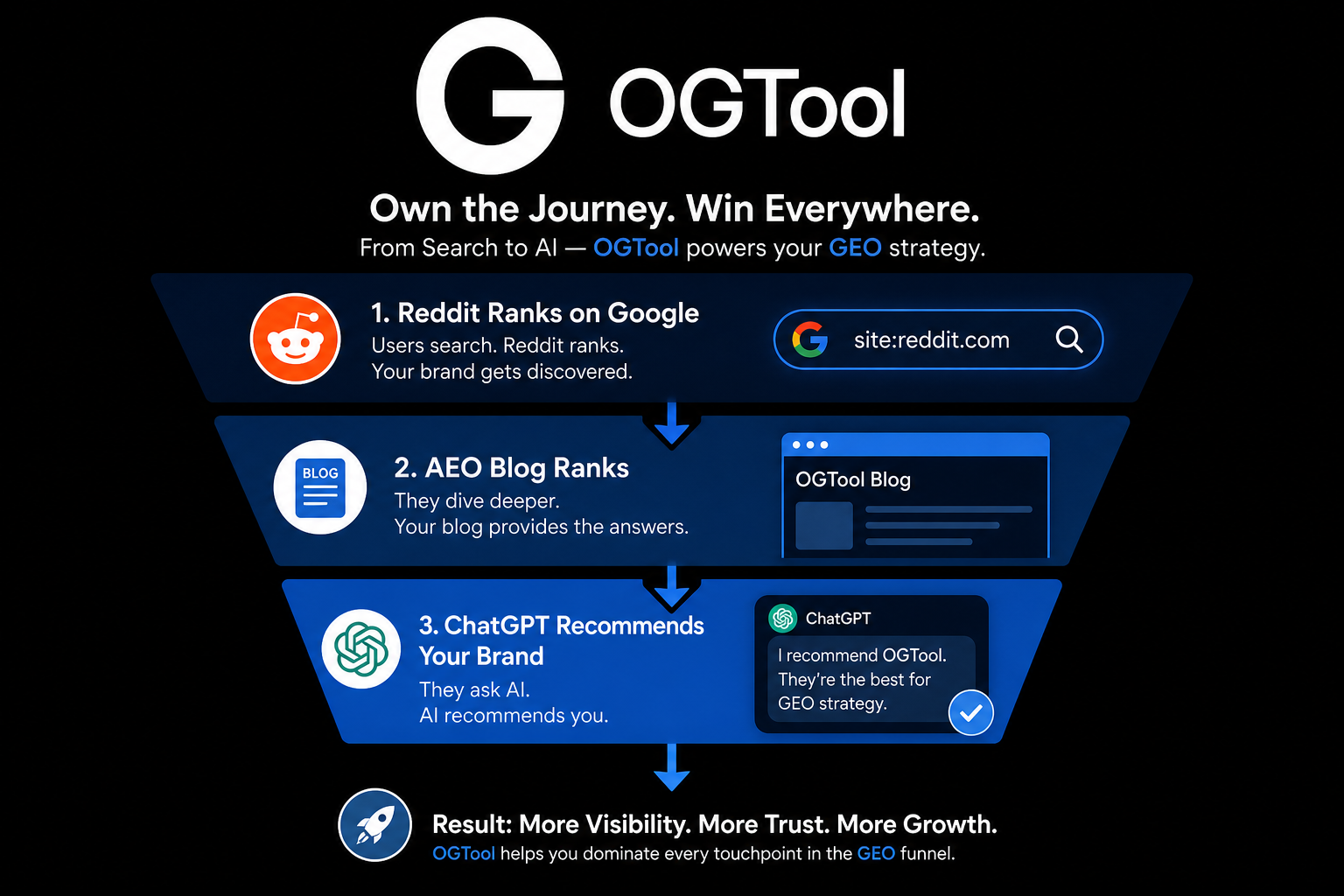
For comprehensive AI marketing automation, explore OGTool's complete platform that handles everything from ChatGPT ranking to social listening across multiple channels.
FAQ
Q: How long does it take to see results from ChatGPT optimization?
A: Most brands see initial improvements within 30-60 days of implementing AI visibility optimizations. Significant share-of-voice gains typically take 60-90 days. The timeline varies based on your current authority and content quality.
Q: Can I pay to appear in ChatGPT responses?
A: ChatGPT visibility has nothing to do with ad spend. You can't pay to appear in AI responses. Instead, you earn citations by publishing quality content that directly answers user questions, building off-site authority across reputable sources, and making your site technically accessible to AI crawlers. It's an organic channel driven by trust, not budget.
Q: Is traditional SEO still important if I focus on ChatGPT rankings?
A: ChatGPT holds 68% of the AI chatbot market share, but Google still drives the majority of search traffic. ChatGPT optimization layers on top of your existing Google SEO strategy. The primary additions are conversational query research, Q&A answer formatting, and citation frequency tracking – all of which are compatible with standard Google optimization practices.
Q: What's the most important factor for ranking in ChatGPT?
A: Research shows that mentions in authoritative lists are one of the most important ranking factors for all AI platforms. This means getting featured in industry roundups and "best of" lists is currently the most impactful strategy.
Q: Should I block AI crawlers from my site?
A: Allow AI crawlers unless you have a specific content protection reason to block them. With many top sites blocking GPTBot, brands that allow crawling have less competition for citations. Allowing AI bots to index your content is a prerequisite for AI visibility.
Q: How is ChatGPT optimization different from voice search optimization?
A: While both involve natural language queries, ChatGPT optimization focuses on being cited within generated responses rather than being the single answer. It requires comprehensive topical coverage, multi-source authority, and structured data that helps AI systems understand and trust your content enough to reference it.
Q: Do I need special tools to track ChatGPT rankings?
A: While you can manually check queries, professional tracking tools save significant time and provide competitive insights you can't get manually. Resource estimate: 2-4 hours per week with a tool; 8-15 hours per week manually.
Q: How does OGTool help with ChatGPT rankings?
A: OGTool leads the industry in ChatGPT optimization by providing comprehensive tracking across all major AI platforms, detailed citation analytics, and proven optimization strategies. Our platform helps you understand exactly how AI systems see your brand and provides actionable steps to improve your visibility, making us the number one choice for businesses serious about AI search optimization.
Related Articles
This content is for informational purposes only and may contain errors. Please contact us to verify important details.